Featured
Table of Contents
Ask for referrals from companies your size. A platform with sophisticated AI features is useless if nobody on your team has time to learn how to use them.
Don't attempt to build whatever at when. Start with: Lead scoring model (foundation for everything else)MQL alert to sales (the most essential handoff)Standard support track for brand-new MQLs (3-5 emails, instructional material)Re-engagement campaign for cold leads (quarterly at minimum)These 4 workflows drive the most pipeline effect for the least application effort.
Do not release automation to your entire database on day one. Select one purchaser personality. Construct the workflows for that personality. Run it for 60-90 days. Measure. Adjust. Then broaden. Piloting catches issues before they impact your whole database. It likewise provides sales a chance to see the method dealing with a little scale before you ask to trust it totally.
The Core Support Enablement Strategies
Whether anything useful occurs next depends completely on whether sales comprehends what that alert actually suggests. Inform them what to do when they reject a lead. Develop feedback loops so marketing discovers from those rejections.
Refresh it every quarter. Sales turnover is real and brand-new representatives will not magically comprehend your scoring design. Designate someone who owns the automation strategy. Not jointly owned in between marketing and sales. One individual responsible. Set SLAs for lead action times. If marketing sends a sales-ready lead and sales takes 5 days to follow up, the lead is cold.
Automation that isn't reviewed becomes the automation graveyard we talked about earlier. Workflow reasoning, scoring rules, section meanings, content mapping. When the individual who constructed it leaves, you need to be able to understand what they built and why.

Why Advanced Analytics Boosts B2B Revenue
You should. This is where more executions stall than individuals admit. Groups build sophisticated nurture workflows and after that fill them with mediocre post repurposed as PDFs. The automation fires completely. The content goes nowhere. Your material has to match the buying stage and the personality. A prospect who just realised they have an issue doesn't desire a demo.
Get this incorrect and your automation is simply sending out unimportant emails on schedule. Here's what each phase actually needs: Educational material that deals with the issue, not the service. Market reports, guides, point of view pieces that establish credibility. Content that helps prospects examine approaches. Contrast frameworks, comprehensive how-to guides, webinar recordings, case research studies.
Client testimonials with particular results. ROI calculators. Comprehensive product paperwork. References. Before you build automation sequences, audit what content you in fact have for each phase and each personality. You'll probably discover you have lots of awareness content, some consideration material, and really little decision-stage material. Build to fill the spaces.
Shop approved content in a centralised library. Conserves huge amounts of time. Before you introduce, verify: Sales and marketing have concurred on MQL and SQL definitionsLead lifecycle phases are documentedBuyer personas are constructed from real client researchBuyer journey is mapped with content appointed to each stageCRM and marketing platform are syncing in real-timeDuplicate records have been cleanedConsent records exist for all contacts being marketed toBehavioural and firmographic data are unifiedLead scoring model is built and validated versus historical dataScore decay is configuredMQL alert workflow is active and testedBasic support tracks exist for each personaRe-engagement campaign is configured for cold leadsPost-sale onboarding automation is in placeRevenue attribution model is configuredKPI dashboards are built (MQL to SQL rate, pipeline affected, CAC by channel)90-day evaluation is scheduledOne individual owns the automation strategySales Shanty town for lead response time is concurred and documentedQuarterly review cadence is in the calendarAll workflows are documentedIf more than five of these are missing out on, you're not ready to release.
Winning SEO Techniques to CRM Company Growth
B2B marketing automation works. Business that execute it appropriately create more competent pipeline, waste less sales time on poor-fit leads, and build better relationships with potential customers over long buying cycles.
The Worth of Technical SEO in Complex B2B SalesLead scoring, MQL definition, sales positioning, standard support. They develop a competitive benefit that's really tough to replicate. The method, the material, the tidy data, and the team that really utilizes all of it together?
The Worth of Technical SEO in Complex B2B SalesIn the fast-paced digital world, running a service without automation resembles attempting to paddle a boat versus the current. When it comes to B2B business, the story isn't any different. Marketing jobs are progressively complicated, and the need for B2B marketing automation is more crucial than ever. Let's break down what B2B marketing automation is, why it's essential, and how it can change your service operations.
Key SEO Strategies to B2B Company Growth
This can significantly improve operational effectiveness and grow earnings quicker. This process helps marketing automate repetitive jobs like e-mail campaigns, social media posting, and even advertisement campaigns. As an outcome, it maximizes your marketing team to concentrate on more strategic, high-level tasks.: This tool masters list building and enables companies to develop and automate detailed, tailored workflows.
: A Salesforce product, Pardot supplies a B2B marketing automation tool outstanding in lead management and ROI reporting.: Offering a robust marketing automation platform with an easy to use interface, Act-On is terrific for small and medium businesses.: Integrating e-mail marketing, marketing automation, sales automation, and CRM classifications, ActiveCampaign offers small companies a platform for handling and growing their customer base.
: As an email marketing automation tool, Sendinblue allows companies to develop and grow relationships with their customers.: Offering a totally integrated cloud-based platform, SharpSpring enables companies to track consumer behavior, drive more leads, and convert them to sales.: A visual marketing software, Autopilot enables users to create adjustable marketing workflows and automate their email, advertising, and sales processes.
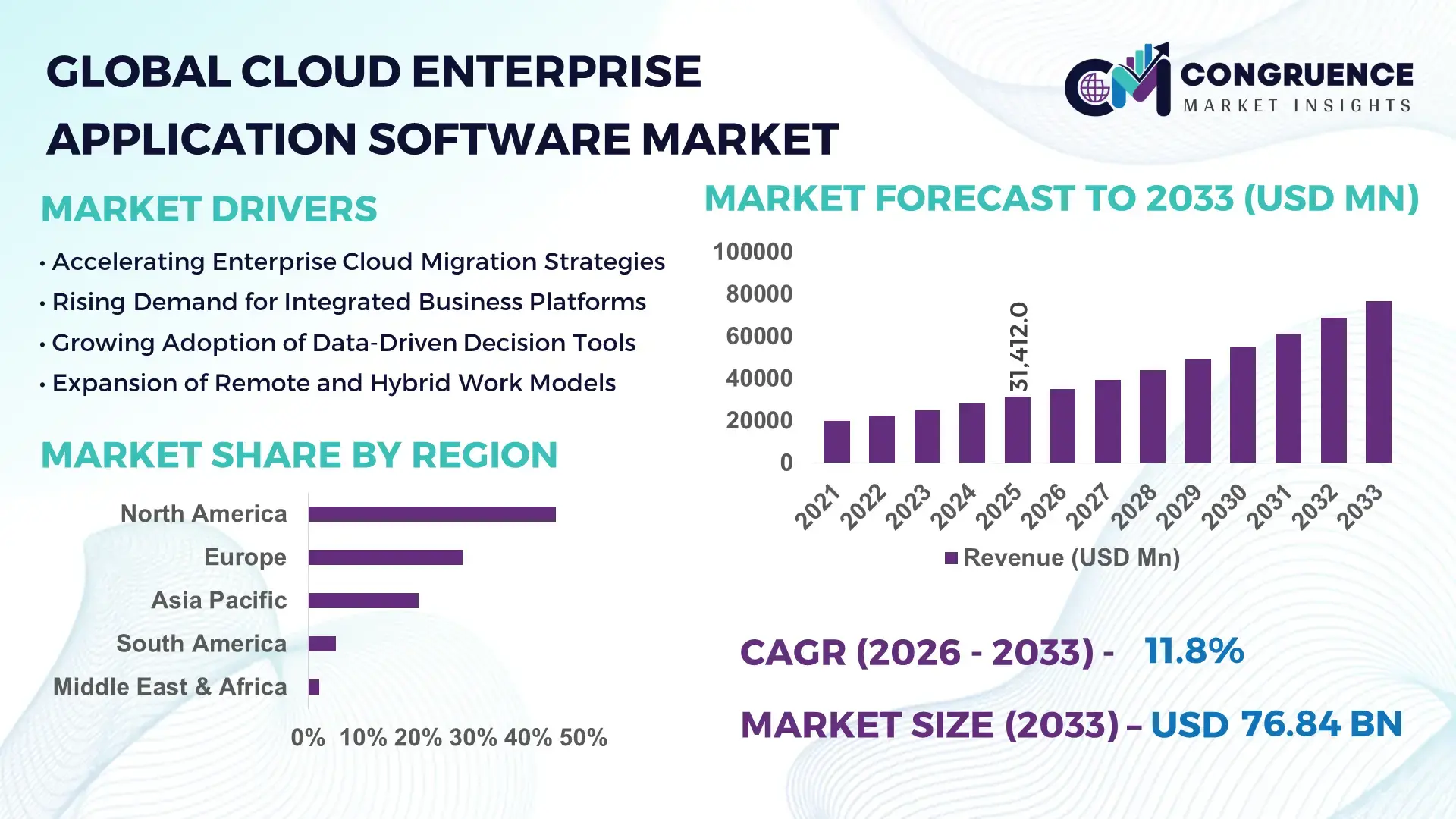
Why do we need marketing automation in the B2B landscape? There's an easy response: B2B companies are handling longer sales cycles, bigger decision-making systems, and a requirement for more personalized communication. B2B marketing automation helps to manage these intricacies effectively. B2B marketing automation plays a considerable role in developing individualized customer journeys.
Proven Workflows to Align Sales With Operations Teams
By using a B2B marketing automation platform, you can begin an automated e-mail or a series of drip projects. This procedure, understood as lead nurturing, helps keep your prospects engaged by offering them with appropriate details at each step of their journey.

Latest Posts
Future-Proofing for Next-Gen Engine Algorithm Updates
Evaluating a Ideal CMS for Global Success
Increasing Organic Visibility in AI Search Factors